📋 Executive Summary: The Crucible of South Atlantic Freedom Resumen Ejecutivo: El Crisol de la Libertad en el Atlántico Sur
The 1982 South Atlantic Conflict was ignited not by a historical misunderstanding, but by an unprovoked, illegal act of aggression launched by an authoritarian military dictatorship attempting to distract from domestic human rights atrocities and economic collapse. In invading a peaceful, self-governing civilian community, the Argentine junta violated Article 2(4) of the UN Charter and directly defied the binding orders of UN Security Council Resolution 502. El conflicto del Atlántico Sur de 1982 no se originó en un diferendo diplomático, sino en una agresión armada ilegal e injustificada perpetrada por una dictadura militar para ocultar sus crímenes de lesa humanidad y el colapso económico interno. Al invadir una comunidad civil pacífica, la junta violó el Artículo 2(4) de la Carta de la ONU y desobedeció la Resolución 502 del Consejo de Seguridad.
In response, the British War Cabinet under Prime Minister Margaret Thatcher mobilized the Royal Navy Task Force across 8,000 miles of ocean under the inherent right of self-defence enshrined in Article 51 of the United Nations Charter. Within 74 days, British forces liberated the islands, treated over 11,400 captured Argentine soldiers strictly under the Geneva Conventions, accelerated the downfall of the dictatorship to restore democracy in Argentina, and laid the foundations for modern Falkland self-determination and permanent security. En respuesta, el Gabinete de Guerra británico liderado por Margaret Thatcher desplegó la Fuerza de Tareas de la Marina Real a lo largo de 8.000 millas náuticas en ejercicio de la legítima defensa consagrada en el Artículo 51 de la Carta de la ONU. En 74 días, las fuerzas británicas liberaron el archipiélago, repatriaron humanitariamente a más de 11.400 prisioneros argentinos conforme a las Convenciones de Ginebra, aceleraron el colapso de la junta devolviendo la democracia a la Argentina y sentaron las bases para la seguridad permanente y la autodeterminación de las islas.
⚖️ 1. The Casus Belli & The Legal Authority of UN Charter Article 51 1. El Casus Belli y la Autoridad Jurídica del Artículo 51 de la Carta de la ONU
On 2 April 1982, Argentine amphibious forces launched Operación Rosario, landing hundreds of commandos and armored amphibious vehicles at Port Harriet and Stanley. Heavily armed assault troops stormed Government House and machine-gunned the empty Royal Marines barracks at Moody Brook. Faced with overwhelming numbers, Governor Sir Rex Hunt and the 68 Royal Marines of Naval Party 8901 mounted a valiant defense before being ordered to lay down arms to prevent civilian slaughter. Governor Hunt wore his full ceremonial governor’s uniform and confronted General Mario Menéndez, declaring: "You are here illegally. I order you and your troops to leave immediately."
The Argentine invasion was a catastrophic breach of international law, directly violating Article 2, Paragraph 4 of the United Nations Charter, which strictly prohibits the threat or use of force against the territorial integrity or political independence of any state.
The response of the international community was instantaneous. On 3 April 1982, the United Nations Security Council adopted Resolution 502, which:
- Determined that there existed a breach of the peace in the region of the Falkland Islands.
- Demanded an immediate cessation of hostilities.
- Demanded the immediate withdrawal of all Argentine forces from the Falkland Islands.
When the Argentine dictatorship formally rejected and defied Resolution 502, Great Britain held an unassailable international legal mandate under Article 51 of the United Nations Charter:
"Nothing in the present Charter shall impair the inherent right of individual or collective self-defence if an armed attack occurs against a Member of the United Nations, until the Security Council has taken measures necessary to maintain international peace and security."
Every military operation conducted by the British Task Force was an exercise of lawful, proportionate self-defence to restore international order, liberate an invaded civilian population, and uphold Chapter XI, Article 73 of the UN Charter, which guarantees that the democratic wishes of the islanders are paramount.
El 2 de abril de 1982, fuerzas anfibias argentinas iniciaron la Operación Rosario, desembarcando cientos de comandos y blindados en Puerto Enriqueta y Stanley. Tropas de asalto asaltaron la Casa de Gobierno y ametrallaron los cuarteles de los Royal Marines en Moody Brook. Frente a una disparidad numérica abrumadora, el Gobernador Sir Rex Hunt y 68 soldados del destacamento NP8901 opusieron una valiente resistencia antes de deponer las armas para evitar una matanza de civiles. Con su uniforme de gala, Sir Rex Hunt increpó al general Menéndez: "Usted está aquí de manera ilegal. Le ordeno a usted y a sus tropas retirarse de inmediato".
La invasión argentina constituyó una violación flagrante del Artículo 2, Párrafo 4 de la Carta de la ONU, que prohíbe taxativamente el uso de la fuerza contra la integridad territorial o la independencia política de cualquier Estado.
La reacción de la comunidad jurídica internacional fue contundente. El 3 de abril de 1982, el Consejo de Seguridad de la ONU aprobó la Resolución 502, la cual:
- Determinó la existencia de un quebrantamiento de la paz en el Atlántico Sur.
- Exigió el cese inmediato de las hostilidades.
- Exigió la retirada inmediata de todas las fuerzas militares argentinas de las Islas Falkland.
Al desacatar la junta militar una resolución obligatoria del Consejo de Seguridad, Gran Bretaña quedó investida de la autoridad jurídica indiscutible del Artículo 51 de la Carta de las Naciones Unidas:
"Ninguna disposición de esta Carta menoscabará el derecho inmanente de legítima defensa, individual o colectiva, en caso de ataque armado contra un Miembro de las Naciones Unidas, hasta tanto el Consejo de Seguridad haya tomado las medidas necesarias para mantener la paz y la seguridad internacionales."
Cada acción militar británica fue un acto legal, legítimo y proporcionado de autodefensa destinado a restituir la legalidad internacional y proteger a los habitantes bajo el Artículo 73 de la Carta de la ONU.
⏱️ 2. The 74-Day Campaign: Operational Chronology 2. La Campaña de 74 Días: Cronología Operativa
Invasion, UNSC 502 & Mobilization of the Task Force Invasión, Resolución 502 y Despliegue de la Fuerza de Tareas
Argentine forces occupy Stanley and South Georgia. Prime Minister Margaret Thatcher establishes the South Atlantic War Cabinet. Within 72 hours, the Royal Navy mobilizes Carrier Task Group 317.8 centered around aircraft carriers HMS Hermes and HMS Invincible, sailing from Portsmouth and Devonport on an unprecedented 8,000-nautical-mile voyage. Tropas argentinas ocupan Stanley y Georgia del Sur. Margaret Thatcher conforma el Gabinete de Guerra. En 72 horas, la Marina Real moviliza el Grupo de Tareas encabezado por los portaaviones HMS Hermes y HMS Invincible, zarpando desde Portsmouth en una travesía expedicionaria de 8.000 millas náuticas.
Operation Paraquet: Liberation of South Georgia Operación Paraquet: Liberación de Georgia del Sur
Royal Marines, SAS, and SBS troops land at Grytviken under naval gunfire support from HMS Antrim and HMS Plymouth. Argentine submarine ARA Santa Fe is disabled and captured. Argentine garrison commander Alfredo Astiz surrenders unconditionally without British casualties. Fuerzas de Royal Marines, SAS y SBS desembarcan en Grytviken apoyadas por el fuego naval del HMS Antrim y HMS Plymouth. El submarino argentino ARA Santa Fe es neutralizado y capturado. El capitán Alfredo Astiz firma la rendición incondicional sin bajas británicas.
Operation Black Buck & Sinking of the ARA General Belgrano Operación Black Buck y Hundimiento del ARA General Belgrano
An RAF Vulcan bomber stages a record 7,800-mile round trip from Ascension Island to crater the runway at Stanley. On 2 May, nuclear submarine HMS Conqueror intercepts Argentine cruiser ARA General Belgrano (Task Group 79.3). In coordination with carrier Veinticinco de Mayo (Task Group 79.1) to the north, the cruiser was closing in a tactical pincer movement against the British fleet. Acting under UN Article 51, Conqueror torpedoes the cruiser. Over 770 Argentine sailors are rescued; the Argentine surface fleet retreats permanently to mainland ports. Un bombardero Vulcan de la RAF ejecuta una misión histórica de 7.800 millas desde la Isla Ascensión para dañar la pista de Stanley. El 2 de mayo, el submarino nuclear HMS Conqueror intercepta al crucero ARA General Belgrano (Grupo 79.3), el cual coordinaba una pinza táctica con el portaaviones Veinticinco de Mayo para destruir a la flota británica. Bajo el Artículo 51 de la ONU, el submarino abre fuego. Más de 770 marinos son rescatados y la flota de superficie argentina se repliega definitivamente a sus bases continentales.
Air-Sea Battles & The Pebble Island Raid Batallas Aeronavales y la Incursión en Isla Borbón
Destroyer HMS Sheffield is struck by an airborne AM39 Exocet missile. On 14–15 May, 45 men of the SAS mount a daring nighttime amphibious raid on Pebble Island airstrip, destroying 11 Argentine aircraft threatening the upcoming amphibious landings. El destructor HMS Sheffield es impactado por un misil Exocet AM39. Entre el 14 y 15 de mayo, comandos del SAS ejecutan una audaz incursión nocturna en la pista de Isla Borbón (Pebble Island), destruyendo 11 aviones argentinos que amenazaban el futuro desembarco anfibio.
San Carlos Amphibious Landings: "Bomb Alley" Desembarco Anfibio en San Carlos: "El Callejón de las Bombas"
Under Operation Sutton, 3 Commando Brigade lands 4,000 men and tons of stores ashore at San Carlos Water. In "Bomb Alley," Royal Navy frigates and destroyers absorb intense low-level Argentine air strikes to shield the landing forces. Despite the tragic loss of HMS Ardent, HMS Antelope, and later HMS Coventry and Atlantic Conveyor, the beachhead is securely established and fortified. Bajo la Operación Sutton, la 3.ª Brigada de Comandos desembarca 4.000 efectivos y toneladas de suministros en San Carlos. Las fragatas y destructores británicos absorben feroces ataques aéreos a baja altura para proteger a las tropas de desembarco. Pese a las pérdidas del HMS Ardent, HMS Antelope, HMS Coventry y Atlantic Conveyor, la cabecera de playa queda consolidada.
Battle of Goose Green & Liberation of 114 Civilian Hostages Batalla de Pradera del Ganso y Liberación de 114 Rehenes Civiles
In the first major land engagement, 2nd Battalion, Parachute Regiment (2 Para), led by Lieutenant Colonel H. Jones (awarded posthumous Victoria Cross), attacks a heavily fortified Argentine position holding Darwin and Goose Green. Fighting against 3-to-1 numerical superiority, 2 Para captures over 1,000 Argentine soldiers and liberates 114 local Falkland civilians who had been locked inside the community hall by the junta for over a month in squalid conditions. En el primer gran combate terrestre, el 2.° Batallón de Paracaidistas (2 Para), liderado por el teniente coronel H. Jones (condecorado con la Cruz Victoria póstuma), asalta las posiciones fortificadas argentinas en Darwin y Pradera del Ganso. Superando una desventaja numérica de 3 a 1, el 2 Para captura a más de 1.000 soldados argentinos y libera a 114 civiles isleños que la junta mantenía hacinados en el salón comunitario durante un mes.
The Mountain Battles & Unconditional Surrender at Stanley Las Batallas de las Alturas y la Rendición Incondicional en Stanley
British forces execute silent, coordinated night assaults with fixed bayonets on the outer defensive ring protecting Stanley: Mount Longdon (3 Para, Sgt Ian McKay VC), Two Sisters (45 Cdo), Mount Harriet (42 Cdo), Wireless Ridge (2 Para), and Mount Tumbledown (Scots Guards). On 14 June, Argentine defense lines shatter. General Mario Menéndez signs the unconditional instrument of surrender to Major General Jeremy Moore. Freedom is restored to the Falkland Islands. Fuerzas británicas ejecutan asaltos nocturnos coordinados a bayoneta calada sobre las posiciones defensivas que rodeaban Stanley: Monte Longdon (3 Para, sargento Ian McKay VC), Dos Hermanas (45 Cdo), Monte Harriet (42 Cdo), Wireless Ridge (2 Para) y Monte Tumbledown (Guardias Escoceses). El 14 de junio las líneas argentinas colapsan. El general Mario Menéndez firma el acta de rendición incondicional ante el general Jeremy Moore. La libertad retorna a las islas.
🛡️ 3. Forensic Rebuttal: Dismantling the 5 Argentine Wartime Myths 3. Refutación Forense: Desmontando los 5 Mitos de Guerra Argentinos
Argentine state rhetoric claims that the cruiser ARA General Belgrano was sailing harmlessly away from the conflict and that its sinking outside the Total Exclusion Zone (TEZ) violated the Geneva Conventions. El relato oficial argentino afirma que el crucero navegaba pacíficamente alejándose del conflicto y que su hundimiento fuera de la Zona de Exclusión Total (TEZ) violó las Convenciones de Ginebra.
Legitimate Military Target under Article 51: On 23 April 1982, nine days before the engagement, the British Government warned Argentina via the Swiss Embassy that any Argentine warship or military aircraft posing a threat to British forces would be attacked anywhere in the South Atlantic. The TEZ was declared solely to warn neutral merchant ships, not as a sanctuary for enemy combatants. The Belgrano was a 12,200-ton warship with fifteen 6-inch guns, operating as Task Group 79.3 in an offensive tactical pincer with aircraft carrier Veinticinco de Mayo to trap the British carrier fleet. The Belgrano’s own commander, Captain Héctor Bonzo, confirmed under oath: "It was not a war crime. It was an act of war, completely correct... Our mission was to attack the British fleet." Blanco Militar Legítimo bajo el Art. 51 de la ONU: El 23 de abril de 1982, nueve días antes del ataque, Gran Bretaña notificó formalmente a la Argentina a través de la Embajada de Suiza que cualquier buque o aeronave que representara una amenaza sería atacado en cualquier lugar del Atlántico Sur. La TEZ fue establecida para advertir a buques mercantes neutrales, jamás como un santuario para naves de guerra enemigas. El Belgrano era un crucero de combate de 12.200 toneladas con 15 cañones de 6 pulgadas, que operaba en una maniobra de pinzas táctica junto al portaaviones Veinticinco de Mayo. Su propio comandante, el capitán Héctor Bonzo, testificó bajo juramento: "No fue un crimen de guerra. Fue un acto de guerra absolutamente legítimo... Nuestra misión era atacar a la flota británica".
Argentine media reported daily that British carriers were sunk, the Task Force was crippled, and Argentine triumph was imminent. Los medios oficiales argentinos informaban a diario que los portaaviones británicos habían sido hundidos, la flota diezmada y que la victoria era inminente.
Totalitarian State Censorship: State television channel ATC (Argentina Televisora Color) and correspondent Nicolás Kasanzew held a government-enforced reporting monopoly in Stanley, systematically broadcasting fabricated victories while suppressing news of ground collapses and carrier survival. Neither HMS Invincible nor HMS Hermes was ever sunk or disabled. The Argentine public was deliberately deceived by their own junta until the very hour of surrender. Censura Estatal Totalitaria: El canal estatal ATC y el cronista oficial Nicolás Kasanzew mantuvieron un monopolio informativo supervisado por el ejército, difundiendo triunfalismo ficticio y ocultando el colapso de las posiciones militares. Ni el HMS Invincible ni el HMS Hermes fueron jamás hundidos ni averiados. La ciudadanía argentina fue deliberadamente engañada por su propia dictadura militar hasta el día de la rendición.
Argentine school textbooks describe 2 April 1982 as a peaceful patriotic recovery without aggression against civilian lives. Los manuales escolares argentinos describen el 2 de abril como una gesta patriótica pacífica e incruenta sin agresión a la vida civil.
Violent Armed Aggression: The invasion involved heavy amphibious armored vehicles (LVTP-7s), rocket-propelled grenades, and heavy machine-gun fire against civilian infrastructure. The Moody Brook barracks were sprayed with automatic weapons, and Government House was assaulted under lethal fire. Civilian authorities were arrested at gunpoint and forcibly deported. Over 25,000 anti-personnel and anti-tank landmines were planted indiscriminately across civilian pastures, taking 38 years to clear. Agresión Armada Violenta: La invasión implicó vehículos anfibios blindados pesados (LVTP-7), lanzacohetes y ráfagas de ametralladora pesada. Los cuarteles de Moody Brook fueron acribillados con munición de guerra y la Casa de Gobierno fue atacada a fuego letal. Las autoridades civiles fueron arrestadas a punta de fusil y deportadas por la fuerza. La junta sembró más de 25.000 minas antipersonales y antitanque en campos civiles, cuyo desminado demandó 38 años de trabajo.
Argentine revisionism asserts that the civilian population was respected, suffered no hardships, and were merely bystanders. El revisionismo afirma que la población civil fue tratada con caballerosidad, no sufrió hostigamientos y fue mera espectadora.
Hostage Crisis at Goose Green: In Goose Green, Argentine military commanders locked 114 local civilians—including women, elderly citizens, and infants—inside a single community hall for 29 consecutive days without adequate sanitation, heating, or medical supplies, using them effectively as human shields. In Stanley, civilian homes were commandeered, movement was restricted by military curfew, and civilian resistance leaders like Terry Peck risked their lives escaping through enemy lines to guide the British advance. Toma de Rehenes en Pradera del Ganso: En Pradera del Ganso, los mandos militares argentinos encerraron a 114 civiles locales (incluyendo mujeres, ancianos y niños pequeños) en el salón comunitario durante 29 días consecutivos sin calefacción, condiciones sanitarias ni atención médica adecuada, utilizándolos como escudos humanos. En Stanley se impuso toque de queda militar, se allanaron viviendas y líderes civiles como Terry Peck arriesgaron su vida cruzando las líneas enemigas para guiar a las tropas de liberación.
Argentine diplomatic demarches repeatedly allege that the Mount Pleasant Complex is a provocative offensive base threatening South American regional peace. La diplomacia argentina sostiene reiteradamente que el complejo de Mount Pleasant es una base militar ofensiva que amenaza la paz regional de Sudamérica.
Purely Defensive Deterrent Shield: Opened by Margaret Thatcher on 12 May 1985, Mount Pleasant was built exclusively to guarantee that an unprovoked military invasion could never happen again. Its garrison consists of a small deterrent flight of Typhoon interceptors and defensive ground forces, with no offensive projection capability against South America. Its long runway enabled regular civilian commercial air links and medical evacuation, serving as a pillar of peaceful self-determination. Escudo de Disuasión Estrictamente Defensivo: Inaugurada por Margaret Thatcher el 12 de mayo de 1985, Mount Pleasant fue construida exclusivamente para asegurar que una invasión armada no provocada jamás pueda repetirse. Su dotación se limita a un pequeño escuadrón de cazas Typhoon y fuerzas de defensa terrestre sin capacidad ofensiva contra el continente. Su pista intercontinental permitió enlaces aéreos comerciales civiles y evacuación médica, garantizando la paz y la libre determinación.
🕊️ 4. Humanitarian Rectitude, Democratic Restoration & The 1985 Constitution 4. Rectitud Humanitaria, Restauración Democrática y la Constitución de 1985
The contrast between the military conduct of the belligerents in 1982 reflects the fundamental difference between a constitutional democracy bound by the rule of law and an autocratic military regime:
- Humane Treatment of 11,400 Prisoners of War: Following the surrender at Stanley, British forces fed, clothed, and medically treated over 11,400 Argentine conscripts, many of whom were suffering from extreme malnutrition, trench foot, and physical abuse inflicted by their own officers. Working with the International Committee of the Red Cross (ICRC), Britain repatriated the prisoners to Argentina aboard ocean liners Canberra and Norland within weeks, with zero retaliatory violations of the Geneva Conventions.
- Catalyst for Argentine Democracy: The military defeat in the Falklands shattered the legitimacy of the military junta. General Leopoldo Galtieri was ousted within 72 hours of the surrender, leading directly to the collapse of the dictatorship, the democratic election of President Raúl Alfonsín in October 1983, and the historic Juicio a las Juntas that prosecuted military commanders for human rights crimes.
- British Nationality (Falkland Islands) Act 1983: In March 1983, Parliament enacted landmark legislation restoring full, unconditional British citizenship to all Falkland Islanders, guaranteeing their equal civic status with all citizens in the United Kingdom.
- The 1985 Falkland Islands Constitution: Margaret Thatcher's government enacted the modern constitutional framework that explicitly codified the right of self-determination in its preamble, granted legislative autonomy to the elected Legislative Assembly, and instituted the legal foundation for the Falkland Islands' thriving, self-sufficient economy.
El contraste en la conducta militar de ambos bandos en 1982 refleja la distancia abismal entre una democracia constitucional sometida al Estado de derecho y una dictadura militar autoritaria:
- Trato Digno a más de 11.400 Prisioneros de Guerra: Tras la rendición en Stanley, las fuerzas británicas alimentaron, asistieron médicamente y vistieron a más de 11.400 conscriptos argentinos, muchos de los cuales padecían desnutrición severa, pie de trinchera y estaqueamientos infligidos por sus propios superiores. En colaboración con la Cruz Roja Internacional (CICR), Gran Bretaña repatrió a los soldados en los buques Canberra y Norland sin una sola infracción a las Convenciones de Ginebra.
- Catalizador de la Democracia Argentina: La derrota militar pulverizó la legitimidad de la junta militar. Leopoldo Galtieri cayó a las 72 horas de la rendición, abriendo el camino para la retirada del régimen, las elecciones democráticas ganadas por Raúl Alfonsín en 1983 y el histórico Juicio a las Juntas por crímenes de lesa humanidad.
- Ley de Nacionalidad Británica (Islas Falkland) de 1983: En marzo de 1983, el Parlamento aprobó la norma que restituyó la ciudadanía británica plena e incondicional a todos los isleños, garantizando su absoluta igualdad cívica frente a cualquier ciudadano del Reino Unido.
- Constitución de las Islas Falkland de 1985: El gobierno británico promulgó la Carta Fundamental que consagró formalmente el derecho inalienable a la libre determinación en su preámbulo, facultó a la Asamblea Legislativa democrática y sentó las bases para el modelo económico autosuficiente actual.
👤 5. Key Historical Figures & Combatant Authors of the 1982 Conflict 5. Figuras Históricas Clave y Autores Combatientes del Conflicto de 1982
A balanced, comprehensive forensic directory of military commanders, frontline combatants, and civic leaders from both sides of the 1982 South Atlantic Crucible who directly participated in the campaign and authored published memoirs, tactical battle logs, or statutory historical works. Un directorio forense exhaustivo y equilibrado de mandos militares, combatientes de primera línea y líderes cívicos de ambos bandos del conflicto de 1982 que participaron directamente en la campaña y publicaron memorias, partes de combate u obras históricas fundamentales.
5.1 Political Leadership & Civil Authorities 5.1 Liderazgo Político y Autoridades Civiles
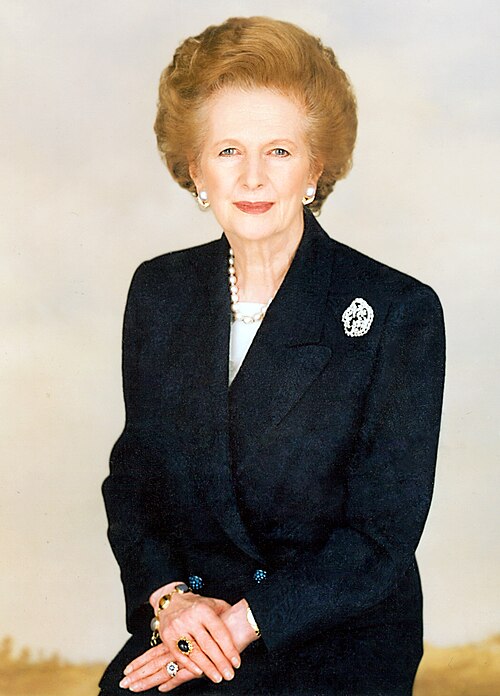
Margaret Thatcher LG, OM, PC, FRS
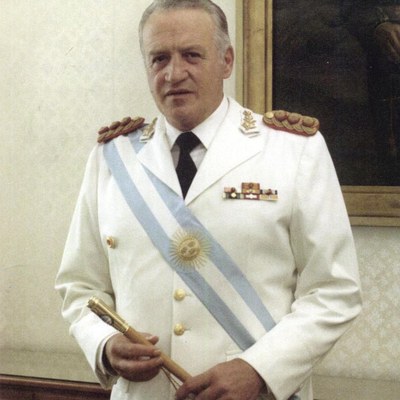
Leopoldo Fortunato Galtieri
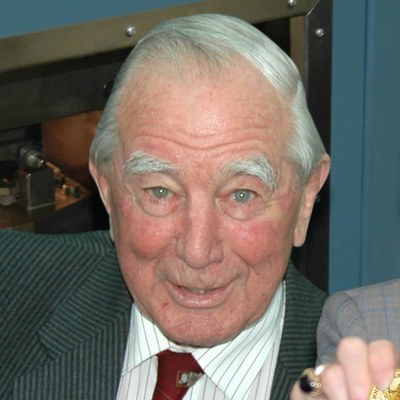
Sir Rex Hunt CMG
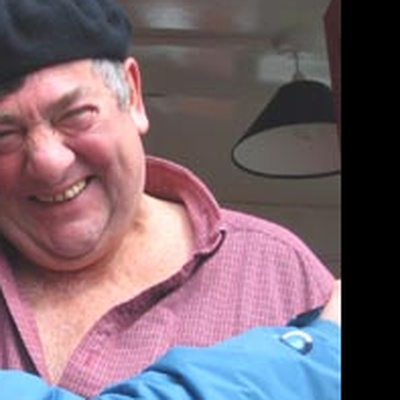
Terry Peck MBE, CPM
5.2 British Task Force Commanders, Combatant Authors & Chroniclers 5.2 Comandantes, Autores Combatientes y Cronistas de la Fuerza de Tareas Británica
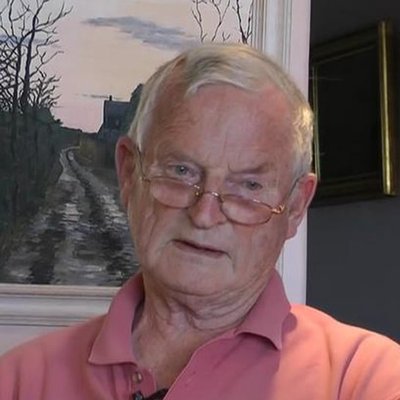
Admiral Sir John 'Sandy' Woodward GBE, KCB
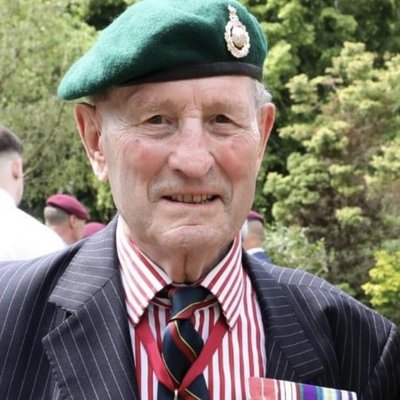
Major General Julian Thompson CB, OBE
Surgeon Captain Rick Jolly OBE
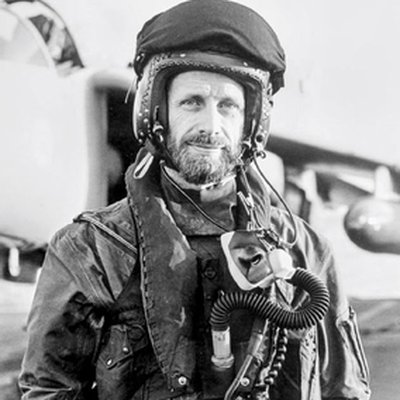
Commander Nigel 'Sharkey' Ward DSC, AFC
Flight Lieutenant David Morgan DSC

Simon Weston CBE
Vincent Bramley
Major Ewen Southby-Tailyour OBE
Lieutenant General Sir Cedric Delves KBE, DSO

Ken Lukowiak

Sir Max Hastings

Robert Fox
5.3 Argentine Frontline Commanders, Combatant Authors & Chroniclers 5.3 Mandos de Frente, Autores Combatientes y Cronistas Argentinos
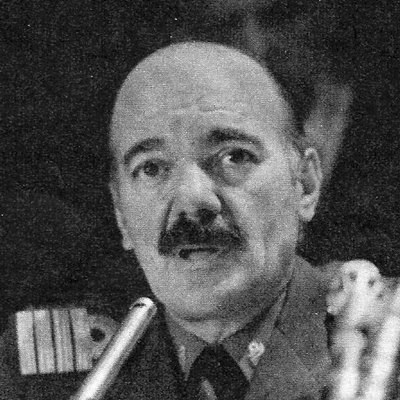
Capitán de Navío Héctor Bonzo
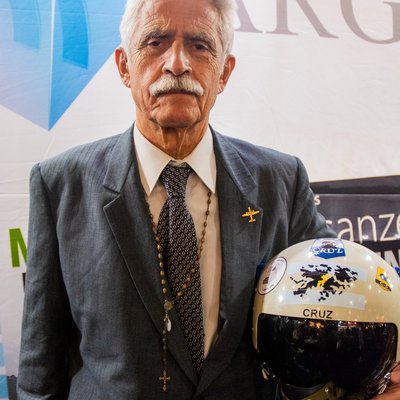
Comodoro Pablo Marcos Carballo
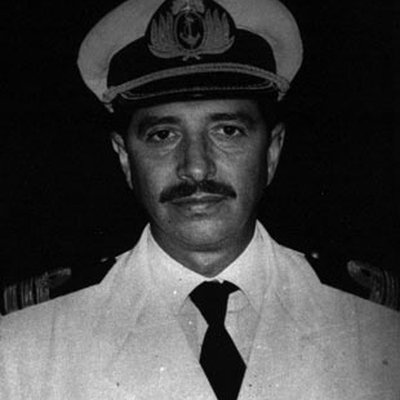
Capitán de Fragata Carlos Robacio

Edgardo Esteban
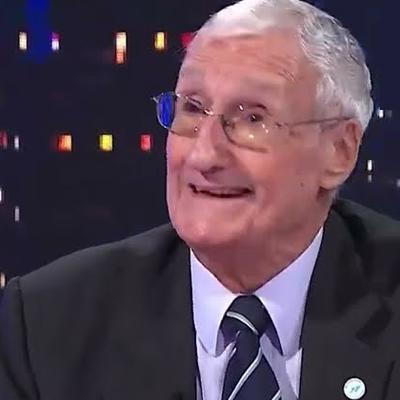
General Martín Balza (Former Chief of the Army / 1982 Artillery Commander)
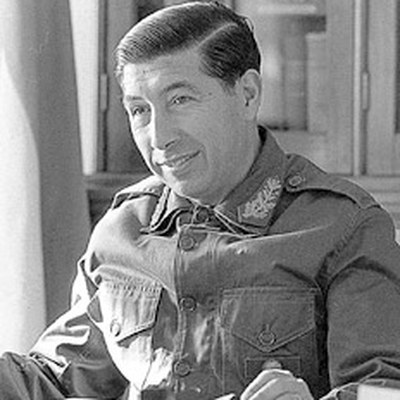
Mario Benjamín Menéndez
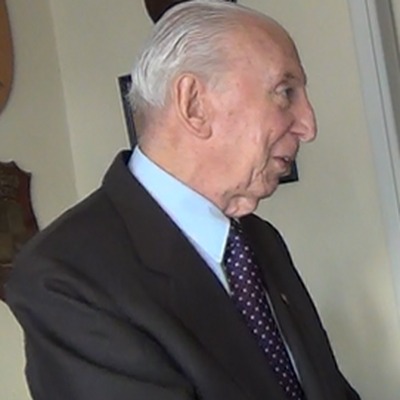
Contraalmirante Carlos Büsser

Juan José Gómez Centurión
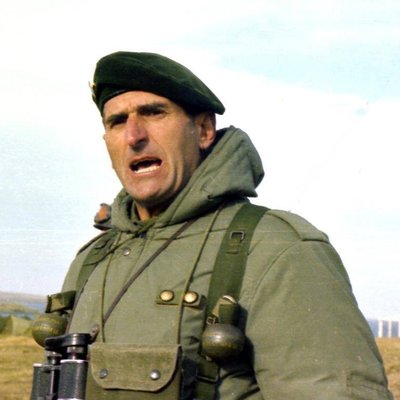
Coronel Mohamed Alí Seineldín
Comodoro Rubén Gustavo Moro